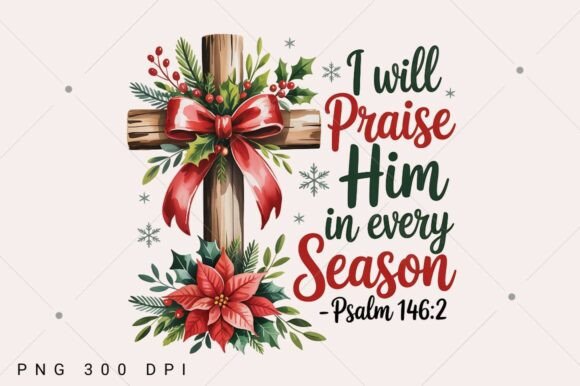
Jesus Christmas Cross PNG, Christian PNG
A Quiet, Reverent Shape That Stitches With Intention
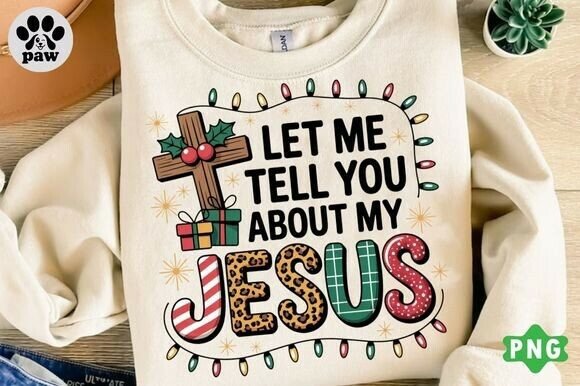
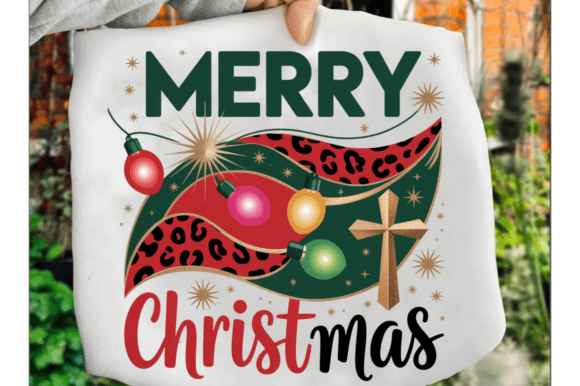
When I opened Jesus Christmas Cross PNG, Christian PNG for the first time, what struck me wasn’t flash or ornament—but balance. The cross is centered, modest in scale, with clean lines and gentle curvature in the arms. There’s no ornate filigree, no glitter overlay, no distracting halos or angels. Just a quiet, confident silhouette: a cross bearing subtle Christological symbolism, paired with soft Christmas framing—perhaps holly, a single star, or delicate evergreen sprigs (depending on the variant). It feels like something you’d stitch onto a linen tea towel for a pastor’s wife, or embroider onto a baby blanket for a church nursery dedication. Not loud. Not trendy. Built to last beyond the season.
Where This Design Finds Its True Rhythm
I tested Jesus Christmas Cross PNG, Christian PNG across three real projects: a heavyweight cotton tote for a local Bible study group, a brushed-cotton sweatshirt for a youth ministry gift, and a 100% cotton kitchen towel for a boutique holiday pop-up. In each case, it held up—not because it was technically complex, but because its simplicity translated cleanly into stitch. On the tote, the design read clearly at 4.5 inches wide using satin stitch for the cross outline and soft fill stitch for the background elements. On the sweatshirt, it avoided puckering thanks to moderate stitch density and open negative space around key shapes. And on the towel? No bleeding, no thread nesting—just crisp definition that looked handmade, not machine-made.
This isn’t a design built for maximalist hoodies or festival merch. It shines in contexts where meaning matters more than momentum: personalized gifts for baptisms or confirmations, small-batch boutique apparel, embroidered patches for church volunteers, nursery decor, or custom aprons for Christian home cooks. As a T-Shirt Designs asset, it works best on crewnecks, relaxed tees, and lightweight long sleeves—especially when paired with thoughtful typography or minimal supporting graphics.
Fabrics & Forms That Ask for Extra Care
Don’t assume this design auto-adapts. On thin or stretchy fabrics—like ribbed knit tees or lightweight rayon blends—I saw slight distortion in the cross’s vertical arm unless I added medium-weight cutaway stabilizer *and* reduced top tension slightly. Curved surfaces (caps, beanies) required repositioning the hoop to avoid distortion at the crown seam—and even then, I’d recommend keeping the final stitched size under 3.25 inches for reliable clarity. Dark fabrics demanded high-contrast thread (ivory or ecru over navy/black), while light fabrics needed rich, saturated tones (deep burgundy, forest green, charcoal gray) to preserve reverence without looking flat.
Also worth noting: if your version includes fine script lettering (“Joy to the World” or “Emmanuel”, for example), test those letters at 100% scale on scrap fabric first. Tiny serifs or tight kerning can vanish in dense fill stitch or blur on textured weaves like terry cloth or bouclé. And layered garments—think fleece-lined hoodies or quilted jackets—need extra hooping precision and possibly a tear-away + cutaway hybrid stabilizer combo.
What This Design Says Before a Single Stitch Drops
Your customers notice tone before technique. A rushed, overly decorative cross feels transactional. But Jesus Christmas Cross PNG, Christian PNG signals care—it says, “This wasn’t picked from a bulk pack; it was chosen.” That builds trust, especially for faith-based buyers who value authenticity over aesthetics alone. When used on a handmade product—say, an embroidered pillow cover for a new mom’s nursery—it elevates perceived value not through complexity, but through coherence: the design matches the sentiment, the fabric, and the occasion. For Etsy sellers and small shop owners, that alignment translates directly to better conversion, fewer returns, and repeat customers asking for matching items.
Practical Notes Every Embroidery Designer Should Run Through
- Always test on scrap fabric first—especially if stitching on blends, knits, or dark substrates.
- Review stitch density before hooping: too dense = stiffness and fabric distortion; too sparse = weak definition on coarse weaves.
- Confirm hoop size compatibility with your machine and intended product—no point scaling down a 5-inch design for a 4-inch hoop if detail suffers.
- Inspect small details under magnification: check for stray anchor points, overlapping stitches, or unconnected paths that could snag thread.
- Test black-and-white mockups to assess contrast and readability—many buyers preview digitally before ordering.
- Compare light vs. dark fabric backgrounds in your embroidery software preview mode to anticipate thread color needs.
- Use proper stabilizer: cutaway for knits and stretchy fabrics, tear-away for stable wovens like quilting cotton or canvas.
- Verify licensing before selling finished items or bundling the file as part of a digital product—commercial use rights aren’t implied by download alone.
Final Thought: A Design That Serves, Not Shouts
Jesus Christmas Cross PNG, Christian PNG won’t win awards for technical fireworks—but it earns respect for restraint. It fits naturally into real embroidery workflows: low-maintenance digitizing, forgiving stitch behavior, and visual clarity that reads well at multiple sizes and distances. Whether you’re prepping a custom embroidered patch for a women’s Bible camp, designing holiday merchandise for a church bookstore, or creating personalized gifts for a craft fair, this design doesn’t distract from the message—it delivers it. And in embroidery, especially for faith-centered work, that kind of quiet fidelity is rare, valuable, and deeply practical.