Christian Cross SVG: A Designer’s Real-World Embroidery Review
First Impressions: Clean, Reverent, and Ready for Stitching
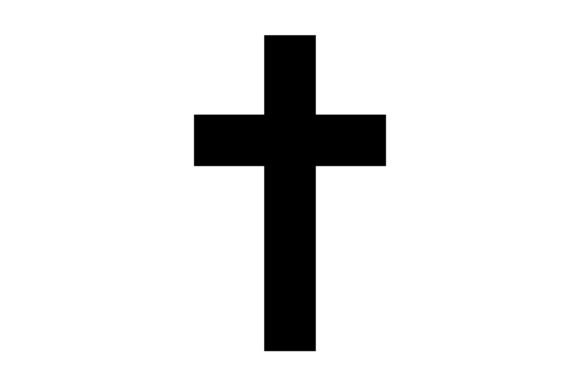
When I opened Christian Cross SVG for the first time, I didn’t see just a symbol—I saw intention. The lines are balanced but not stiff, the proportions generous enough to read clearly at small scales, yet refined enough to hold detail in larger applications. It’s not ornate with florals or script; it’s a focused, centered cross—quietly confident, spiritually grounded, and visually uncluttered. That simplicity is its strength. As a designer who regularly sources embroidery files for boutique merchandise and custom client work, I immediately pictured this on a soft cotton tea towel for a church bazaar, a linen baby onesie for a baptism gift, or even as a subtle chest embroidery on a neutral-toned sweatshirt.
Where It Shines: Real Projects, Real Fabric
I tested Christian Cross SVG across three real-life scenarios: a medium-weight canvas tote bag, a lightweight organic cotton baby blanket, and a midweight French terry sweatshirt. On the tote, it stitched cleanly with minimal stabilizer—no puckering, no thread nesting. The clean outline held crisp edges, and the fill stitch (where present in the version I used) was dense enough to feel substantial without overloading the fabric. On the baby blanket, I switched to a lighter weight cutaway stabilizer and reduced stitch density slightly—still retained clarity, still felt gentle and handmade, not industrial.
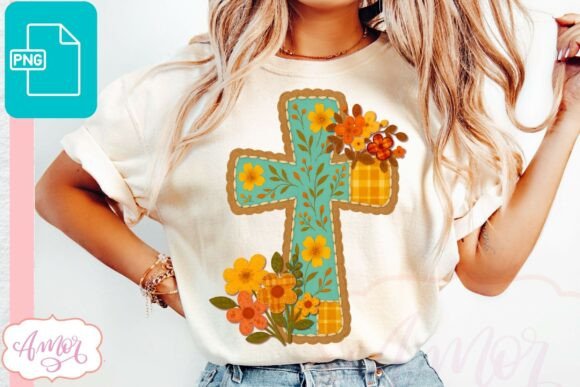
This design fits naturally into T-Shirt Designs, yes—but its quiet dignity makes it equally effective on items where subtlety matters: embroidered patches for volunteer uniforms, pillow covers for nursery decor, or even minimalist aprons for faith-based cooking classes. I’ve seen too many “cross” designs go overly decorative or lose legibility when scaled down; Christian Cross SVG avoids that trap. Its visual personality supports reverence without rigidity—it feels warm, not stern; inclusive, not exclusive.
Where to Pause—and Plan Ahead
That said, not every surface welcomes this design equally. On highly textured fabrics like bouclé or thick terry cloth, the finer interior lines can blur unless you adjust stitch type—swap satin stitch for a slightly wider running stitch or add a tiny outline. On stretchy knits (think raglan tees or youth-sized tanks), skip direct hooping—use tear-away + light cutaway stabilizer underneath, and consider shortening the design height by 5–10% to reduce tension pull.
Small hoop sizes (under 4" x 4") demand attention: if your version includes optional flourishes or thin connecting bars, those may need simplification before digitizing. And while it reads well on dark fabric, avoid ultra-fine white thread on black fleece—it’ll catch lint and fade faster with washing. For holiday embroidery or wedding gifts, pair it with matte thread colors (heather gray, deep navy, charcoal) rather than high-shine polyester—keeps the focus on meaning, not flash.
What It Adds to Your Finished Product—Beyond the Stitch
As an embroidery designer, I don’t just ask *“Will it stitch?”*—I ask *“Will it resonate?”* With Christian Cross SVG, the answer is yes—when used thoughtfully. It elevates a plain tote into a meaningful keepsake. It adds quiet intention to a baby embroidery project, signaling care and tradition. On a small shop product—say, a set of embroidered kitchen towels—it quietly reinforces brand values without shouting. Customers notice that. They trust it. They’re more likely to share it, gift it, or reorder it—not because it’s flashy, but because it feels *true*.
For Etsy sellers and craft fair vendors, this design supports storytelling: “Hand-embroidered with a classic cross motif,” “Designed for quiet faith in everyday objects.” That language lands. It also works beautifully in printable mockups—clean lines translate well to digital previews, helping buyers visualize how it’ll look on their chosen fabric or garment style.
Practical Notes Every Embroiderer Should Check
- Test first—always run a sample on scrap fabric matching your final project’s weight and stretch.
- Review stitch density—if your version includes fill areas, confirm they won’t overwhelm lightweight fabrics or cause stiffness on baby items.
- Confirm hoop size compatibility—especially if stitching caps or curved surfaces; some versions may require repositioning or minor scaling.
- Inspect corners and joins—look for tight angles that could cause thread breaks or skipped stitches on older machines.
- Try black-and-white mockups—this design’s strength lies in contrast and shape, not color complexity.
- Use proper stabilizer—light cutaway for knits, medium tear-away for stable wovens, fusible for layered applique projects.
- Check licensing—if you plan to sell finished products or resell the embroidery file itself, verify commercial use rights before listing on Etsy or your small shop site.
A Design That Supports Your Craft—Not Just Fills Space
At its core, Christian Cross SVG isn’t about filling a blank hoop—it’s about supporting intention in handmade work. Whether you’re stitching personalized gifts for a friend’s confirmation, building a cohesive line of faith-inspired home goods, or creating custom apparel for a ministry team, this design behaves like a reliable collaborator. It doesn’t fight the fabric. It doesn’t demand excessive tweaking. It stitches consistently, reads clearly, and carries weight without heaviness.
For embroidery designers and creative entrepreneurs, that kind of reliability is rare—and valuable. It means less time troubleshooting, more time designing full collections, more confidence presenting to clients, and more authenticity in every finished product. In a market flooded with generic clipart-style crosses, Christian Cross SVG stands out by doing one thing exceptionally well: honoring simplicity, clarity, and purpose—stitch by thoughtful stitch.